Frequently Asked Questions

Find answers to common questions about water filtration systems, installation, maintenance, and choosing the right solution for your home or business.

Water filters remove various contaminants depending on the technology used. Common impurities include chlorine, sediment, rust particles, heavy metals like lead and mercury, pesticides, and bacteria. Advanced systems also eliminate volatile organic compounds, fluoride, and pharmaceutical residues.

Carbon filters excel at removing chlorine and improving taste, while reverse osmosis systems provide comprehensive filtration by removing up to 99% of dissolved solids. UV filters specifically target microorganisms, making them suitable for areas with bacterial concerns.

Replacement frequency depends on filter type and water usage. Sediment pre-filters typically need changing every 3-6 months, activated carbon filters every 6-12 months, and reverse osmosis membranes every 2-3 years. Higher water consumption or poorer source water quality may require more frequent replacements.

Most systems include indicators that signal when replacement is needed. Following manufacturer recommendations ensures optimal performance and prevents bacterial growth. Regular replacement maintains water quality and protects your investment in the filtration system.

Installation complexity varies by system type. Countertop and pitcher filters require no installation, while under-sink and whole-house systems benefit from professional setup. Basic under-sink units can be installed by homeowners with plumbing knowledge, but professional installation ensures proper connections and prevents leaks.

Whole-house systems require integration with main water lines and may need pressure adjustments. Professional installers provide warranties, conduct water testing, and ensure compliance with local plumbing codes. They also optimize system placement for best performance and accessibility.

Carbon filtration uses activated carbon to absorb chlorine, organic compounds, and improve taste and odour. It works quickly and maintains good water pressure but cannot remove dissolved minerals or heavy metals effectively.

Reverse osmosis forces water through a semi-permeable membrane, removing up to 99% of contaminants including dissolved solids, heavy metals, and microorganisms. RO systems produce waste water and work slower, but provide more comprehensive purification. Many systems combine both technologies for optimal results.

Most modern filtration systems cause minimal pressure reduction when properly sized and maintained. Point-of-use systems like under-sink filters typically reduce pressure by 5-10 psi, which is barely noticeable. Whole-house systems may cause slightly more reduction, but proper sizing prevents significant impact.

Pressure drop increases as filters become clogged with sediment and contaminants. Regular filter replacement maintains consistent flow. If you experience low pressure, check for clogged filters, undersized systems, or installation issues. Professional assessment can identify and resolve pressure concerns.

Filtration systems work excellently with well water, often providing more noticeable improvements than with municipal supplies. Well water commonly contains iron, manganese, sediment, and bacteria that filtration addresses effectively. A water test identifies specific contaminants to target.

Well water systems typically require sediment pre-filters to handle higher particulate loads, iron removal filters for rust staining, and UV sterilization for bacterial protection. Reverse osmosis removes dissolved minerals that cause hardness and scaling. Professional testing and system design ensure appropriate treatment for your well water composition.

Annual maintenance costs range from £50 to £300 depending on system complexity. Basic under-sink systems require filter replacements costing £40-£80 yearly. Reverse osmosis systems need multiple filter changes plus membrane replacement every 2-3 years, totaling £100-£200 annually.

Whole-house systems have higher maintenance costs due to larger filters and greater water volume processed. UV systems need annual bulb replacement at £60-£100. These costs remain significantly lower than purchasing bottled water, while providing unlimited filtered water and reducing plastic waste.

Standard carbon filters do not remove minerals that cause hardness. Reverse osmosis systems effectively eliminate calcium and magnesium, producing soft water. Water softeners using ion exchange specifically target hardness minerals, replacing them with sodium ions.

For comprehensive treatment, combine water softening with filtration. Softeners protect appliances and plumbing from scale buildup, while filters address taste and chemical contaminants. Some prefer RO systems that remove minerals without adding sodium, though this produces more waste water than traditional softeners.

Reverse osmosis systems remove most minerals, including beneficial calcium and magnesium. However, dietary mineral intake primarily comes from food rather than water. A balanced diet provides adequate minerals regardless of water mineral content.

Some RO systems include remineralization stages that add back essential minerals for taste and pH balance. Carbon filters preserve mineral content while removing contaminants. If mineral retention concerns you, choose selective filtration or remineralization options that maintain beneficial elements while removing harmful substances.

System sizing depends on daily water consumption and household size. A family of four typically uses 400-600 litres daily. Under-sink systems handle drinking and cooking needs (10-15 litres daily), while whole-house systems must accommodate all water use including bathing and laundry.

Flow rate matters for whole-house systems. Calculate simultaneous fixture use to determine required gallons per minute. A three-bathroom home typically needs 15-20 GPM capacity. Oversized systems waste money, while undersized units cause pressure problems. Professional assessment ensures proper sizing for your specific requirements and prevents performance issues.

Quality filtration systems last 10-15 years with proper maintenance. The main housing and plumbing connections remain functional for decades, while consumable components like filters and membranes require regular replacement. RO membranes last 2-3 years, carbon filters 6-12 months, and UV bulbs need annual replacement.

System longevity depends on water quality, usage volume, and maintenance adherence. Hard water and high sediment loads accelerate wear. Regular servicing, timely filter changes, and professional inspections maximize lifespan. Most manufacturers offer warranties covering defects for 3-5 years, with extended coverage available for premium systems.

Properly maintained filtration systems provide safe water for children of all ages. Removing chlorine, lead, and other contaminants makes water healthier for developing immune systems. However, boil water for infant formula preparation as recommended by health authorities, regardless of filtration.

RO systems producing very pure water may lack fluoride, which supports dental health. Consult your pediatrician about fluoride supplementation if using RO water. Ensure filters are changed regularly to prevent bacterial growth. Well-maintained systems offer cleaner, safer water than untreated tap water for children's consumption and food preparation.

Several filtration options suit rental properties without permanent modifications. Countertop filters connect to existing taps via diverter valves, requiring no plumbing changes. Pitcher filters need no installation at all. Portable under-sink systems use quick-connect fittings that install and remove easily.

Always obtain landlord approval before installing any system, even non-permanent ones. Document the installation with photos and keep original parts for reinstallation when moving. Some landlords appreciate filtration improvements and may permit permanent installation. Choose systems that enhance property value without causing damage or requiring extensive plumbing modifications.

Overused filters lose effectiveness and may release trapped contaminants back into water. Clogged filters reduce flow rate and can burst under pressure, causing leaks. Bacterial growth in saturated filters introduces new contamination risks, potentially making filtered water worse than unfiltered supply.

Carbon filters become ineffective once absorption capacity is exhausted. Continued use provides false security while contaminants pass through untreated. RO membranes clogged with scale and sediment produce less water and waste more during operation. Regular replacement maintains protection, prevents damage, and ensures you receive the water quality you expect from your investment.

Carbon filtration excels at removing chlorine and chloramine compounds that cause unpleasant taste and smell. Activated carbon absorbs these chemicals through a process called adsorption, where molecules bind to the carbon surface. Even basic carbon filters significantly improve water palatability.

Results are immediate and noticeable. Water tastes cleaner, fresher, and more neutral. This improvement makes filtered water more appealing for drinking and enhances the flavour of tea, coffee, and food prepared with it. Regular filter replacement maintains chlorine removal effectiveness as carbon becomes saturated over time.

Both systems serve different purposes. Whole-house filters protect all water outlets, benefiting appliances, plumbing, and skin by removing sediment, chlorine, and minerals. They prevent scale buildup and extend appliance lifespan. Point-of-use systems provide more thorough purification for drinking water using advanced technologies like reverse osmosis.

Many homes benefit from combining both approaches: whole-house filtration for general protection and under-sink RO for drinking water. This provides comprehensive treatment without the expense and complexity of whole-house RO systems. Consider water quality issues, budget, and specific needs when choosing between or combining filtration approaches.

Start with a water quality test to identify specific contaminants in your supply. Municipal water reports provide baseline information, while private testing reveals additional concerns. Match filtration technology to detected contaminants: carbon for chlorine and taste, RO for heavy metals and dissolved solids, UV for bacteria.

Consider your budget, space availability, and water consumption. Under-sink systems suit kitchens with cabinet space, while countertop models work for limited spaces. Whole-house systems address comprehensive needs but cost more. Consult with filtration specialists who can analyse your water test results and recommend systems that effectively address your specific water quality challenges within your budget.

About Xoduze

Xoduze began in 2015 when a group of water treatment specialists in London noticed a gap in the market. Families were struggling to find reliable filtration systems that actually delivered on their promises. We started with a small workshop in Camden, testing and developing our first reverse osmosis unit.

What set us apart from day one was our commitment to transparency. While others made exaggerated claims, we focused on measurable results: certified reduction rates, documented filter lifespans, and honest pricing. Our first 50 customers came through word-of-mouth recommendations, and that foundation of trust continues to drive our business today.
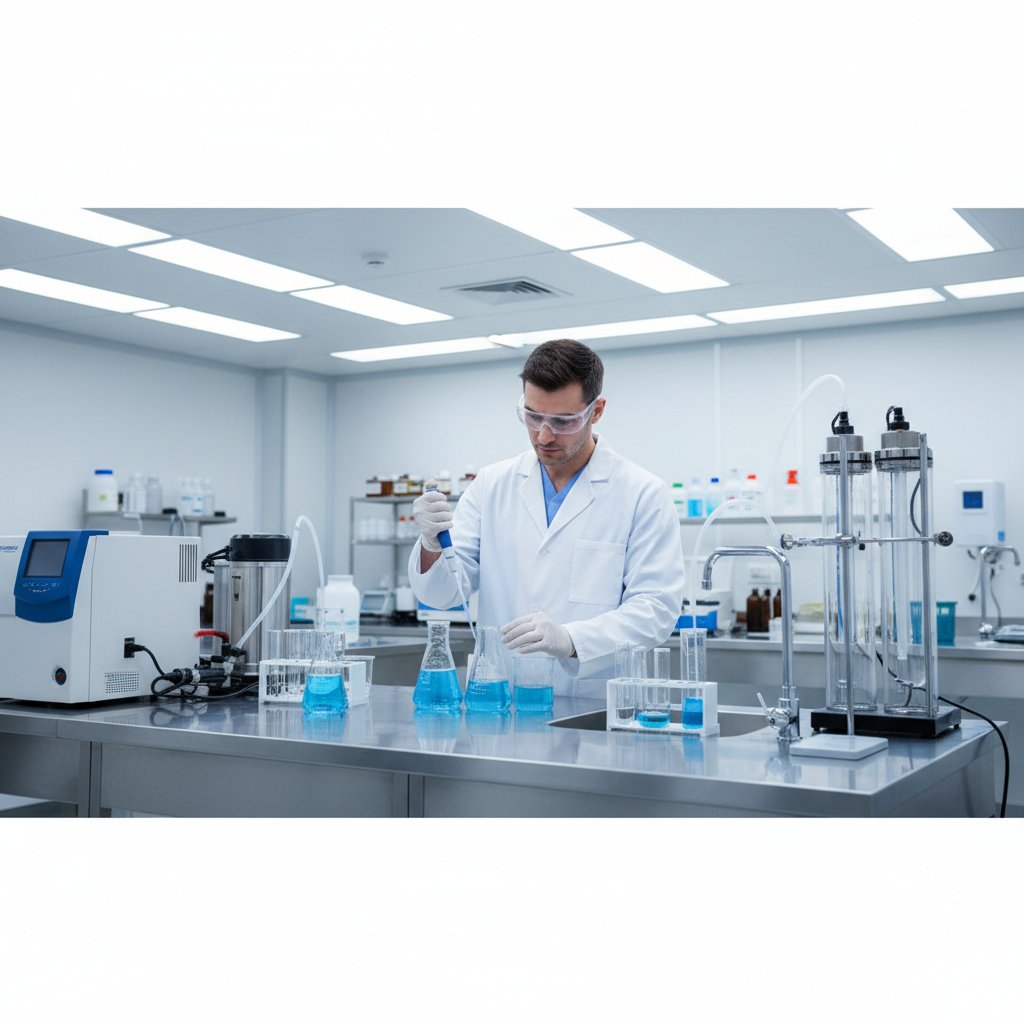
Xoduze water filtration facility

Our Experience

Over nine years, we've installed filtration systems in more than 3,200 homes and 180 commercial properties across Greater London and the South East. Our team includes four certified water treatment technicians and two chemical engineers who previously worked in municipal water facilities.

We maintain partnerships with laboratories in Reading and Bristol for independent water testing. Every system we recommend is based on actual water analysis from your area, not generic solutions.
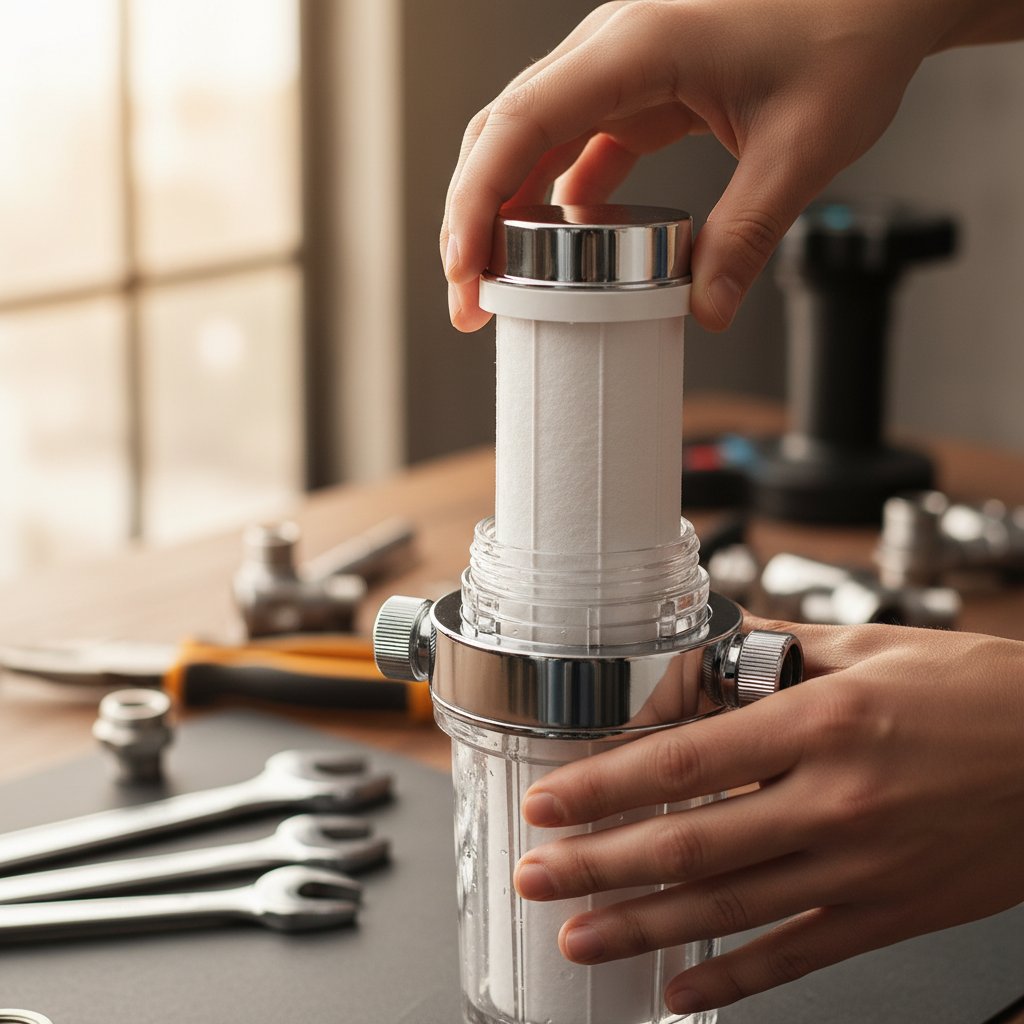
Water filtration system installation

Our Mission

We provide water filtration systems that meet documented performance standards. Each installation includes baseline water testing, system specification matched to your water composition, and annual filter replacement reminders with actual usage data.

Our Vision

We aim to become the most trusted filtration provider in the UK by maintaining our focus on verifiable results and straightforward communication. No marketing hype, just systems that work as specified.

What Guides Us

Transparency

We provide lab reports for every water test and detailed specifications for every component in our systems. You'll know exactly what you're getting and why.

Technical Expertise

Our staff holds certifications from the Water Quality Association and completes annual training on new filtration technologies and British water standards.

Customer Education

We believe informed customers make better decisions. Every consultation includes explanation of your water test results and how different systems address specific contaminants.

3,200+ Residential Installations
180+ Commercial Projects
9 Years in Business