Why most Фильтры для воды projects fail (and how yours won't)
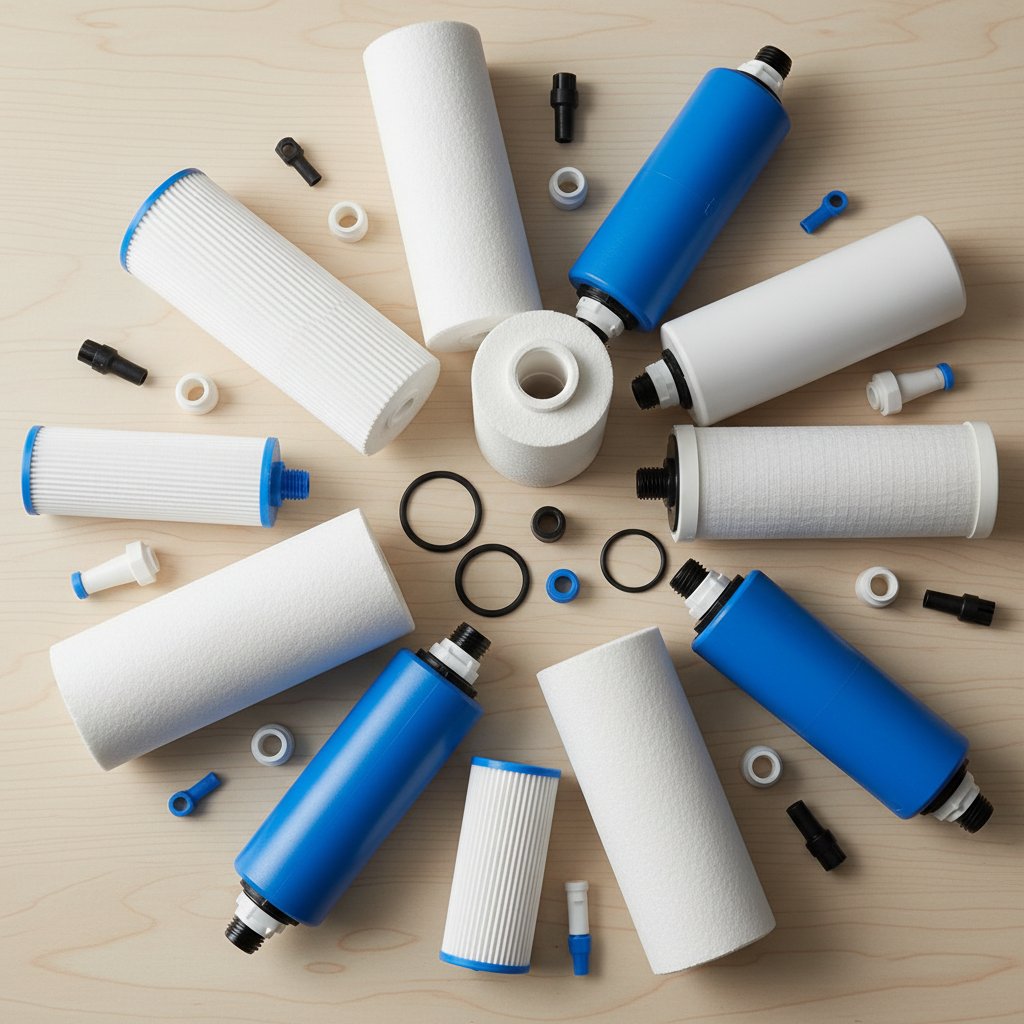
The $3,000 Mistake That Ruins Water Filtration Projects
Last month, a family in Portland ripped out their brand-new whole-house water filter system. They'd spent $2,800 installing it just six weeks earlier. The culprit? Nobody bothered testing their actual water before buying the equipment.
This isn't rare. About 40% of residential water treatment installations either underperform or get abandoned within the first year. That's a staggering failure rate for something meant to protect your family's health for the next decade.
Here's the uncomfortable truth: most water filtration projects crash and burn before they ever have a chance to succeed.
Why Water Treatment Systems Fail (The Real Reasons)
The filtration industry loves selling solutions. What they don't love is the boring diagnostic work that actually matters.
Skipping the Water Test
You wouldn't buy prescription glasses without an eye exam, right? Yet 60% of homeowners install filtration systems based on guesswork or a neighbor's recommendation. Your water chemistry is as unique as your fingerprint. Municipal water in Chicago has completely different contaminants than well water in rural Texas.
A comprehensive water test costs $150-$300. The wrong filtration system costs thousands to fix.
Undersizing (Or Oversizing) Your System
Flow rate matters more than most people realize. A family of four uses roughly 300 gallons daily. Install a system rated for 150 gallons, and you'll have pressure problems and filter burnout within months. Go too big, and water sits stagnant in oversized tanks, creating bacterial growth issues.
The "Set It and Forget It" Trap
Filters aren't immortal. A sediment pre-filter in hard water areas might last three months instead of the advertised twelve. Miss those replacement windows, and you're pushing contaminated water through a clogged system that's actually making things worse.
One study found that 70% of underperforming systems were simply suffering from overdue maintenance.
Warning Signs Your Project Is Heading South
Catch these red flags early:
- Dropping water pressure within the first month (indicates sizing problems or installation errors)
- Strange tastes or smells returning after 2-3 weeks (wrong filter media for your contaminants)
- Cloudy or discolored water post-installation (bacterial bloom or stirred-up sediment)
- Your installer can't explain why they recommended specific components
- No baseline water test was performed before equipment selection
The Five-Step Fix That Actually Works
Step 1: Get Real Data (Week 1)
Order a comprehensive water analysis from a certified lab, not a free test from a company trying to sell you equipment. You need numbers for hardness, pH, iron, manganese, bacteria, nitrates, and any regional concerns like arsenic or PFAS.
Cost: $200-$400. Time: 5-7 days for results.
Step 2: Match Technology to Contaminants (Week 2)
Now you can actually choose the right approach. High iron? You need oxidation and filtration. Bacteria? UV sterilization is non-negotiable. Hard water? Water softener before any other treatment.
This isn't the time for Amazon reviews and YouTube videos. Consult with a water treatment specialist who can interpret your lab results. Many offer free consultations once you have actual data.
Step 3: Size for Reality, Not Marketing (Week 2-3)
Calculate your peak flow demand. Count your bathrooms, consider simultaneous usage scenarios (shower running while dishwasher and washing machine operate). Add 20% buffer capacity.
A properly sized system for a typical four-person household usually processes 10-15 gallons per minute at peak demand.
Step 4: Install With Bypass Capabilities (Week 3-4)
Always include bypass valves. Always. This lets you isolate the system for maintenance without shutting down your entire water supply. It also helps during troubleshooting.
Professional installation typically runs $500-$1,200 depending on complexity, but it includes proper pressure testing and flow verification.
Step 5: Schedule Maintenance Before You Need It (Ongoing)
Set phone reminders for filter changes. Buy replacement filters in bulk during your initial purchase to remove the friction of reordering. Most systems need attention every 3-6 months depending on water quality and usage.
Create a simple log sheet. Date, gallons processed (if metered), any observations. Takes 30 seconds, prevents expensive surprises.
Prevention: The Unglamorous Truth
Annual water retesting isn't overkill—it's insurance. Municipal water sources change. Wells develop new issues. Spending $150 yearly to confirm your system still matches your water chemistry beats discovering problems after your family's been drinking inadequately filtered water for months.
Keep six months of replacement filters on hand. Not next week. Not when you remember. Right now.
Document everything. Your installation date, filter change dates, any water quality changes you notice. This historical record becomes invaluable when troubleshooting or upgrading.
The families with successful water treatment systems aren't lucky. They're just methodical. They tested first, sized correctly, and maintained consistently. Their systems quietly protect their health for 10-15 years without drama.
Your project doesn't have to join the 40% failure club. Start with that water test. Everything else follows from there.