Фильтры для воды in 2024: what's changed and what works
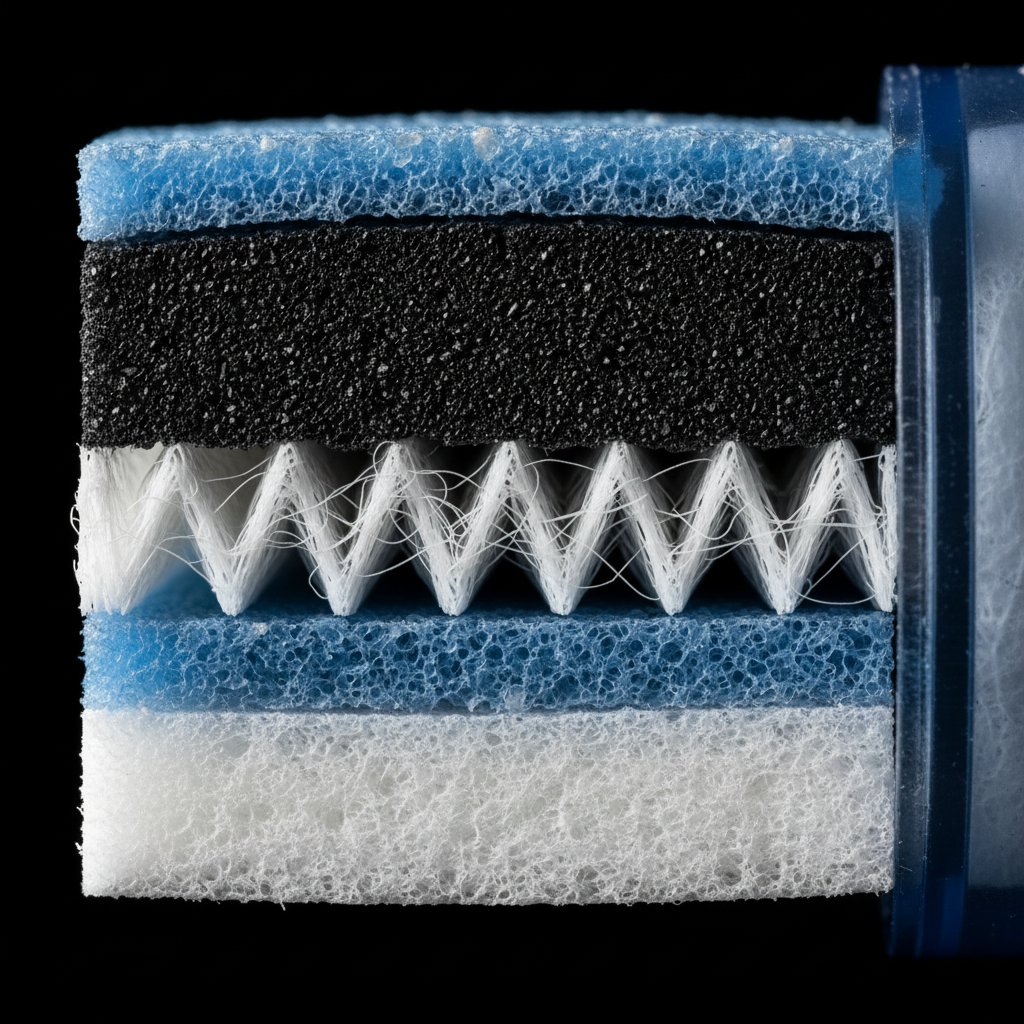
The water filtration game has shifted dramatically over the past year. Between new contaminant discoveries, smarter tech, and a bunch of myths finally getting debunked, 2024 brought some genuine surprises to anyone paying attention to what's flowing from their tap.
Here's what actually matters now if you're shopping for a water filter or wondering if your current setup is pulling its weight.
What Changed in Water Filtration This Year
1. PFAS Became the Main Villain
Forever chemicals aren't new, but they've finally hit mainstream consciousness. The EPA dropped stricter PFAS limits in April 2024, and suddenly everyone's asking whether their current system can handle these compounds. Spoiler: most basic pitcher filters can't touch them.
Reverse osmosis systems now dominate the conversation because they're one of the few residential options that actually remove PFAS effectively—we're talking 90-95% reduction rates. Activated carbon filters need to be specifically rated for PFAS removal, and even then, they typically max out around 70% efficiency. Check the NSF/ANSI 53 certification specifically mentioning PFAS, or you're gambling.
The price jump for PFAS-capable systems isn't trivial either. Budget an extra $150-300 compared to standard models, plus more frequent filter changes because these chemicals clog media faster than traditional contaminants.
2. Smart Filters Stopped Being Gimmicky
Remember when "smart" meant a Bluetooth connection that drained your phone battery to tell you something you already knew? Those days are fading. 2024's connected filtration systems actually earn their keep.
Current models monitor flow rate degradation in real-time, predict filter life based on your actual water quality (not just gallons processed), and some even adjust filtration speed automatically when they detect contamination spikes. Brands like Aquasana and Brita's premium line now send you filters before you run out, based on usage patterns rather than arbitrary timelines.
The sweet spot sits around $400-600 for under-sink systems with legitimate smart features. Anything cheaper usually just has a timer, which is about as "smart" as your microwave.
3. Pitcher Filters Got Serious Competition
Faucet-mounted filters made a comeback, but not the clunky versions your parents had. Modern iterations like PUR's Advanced Plus and Waterdrop's WD-FC-06 filter up to 320 gallons before needing replacement—that's three months for most households versus the two-week lifespan of budget pitcher filters.
The flow rate issue that plagued earlier faucet models is basically solved. You're looking at 0.5 gallons per minute on most units, which means filling a pot for pasta doesn't become a meditation exercise. Installation takes maybe five minutes without tools, and you can switch between filtered and unfiltered water instantly.
Cost-per-gallon dropped to around $0.03 for decent faucet systems versus $0.08-0.12 for pitcher filters. That adds up when you're filtering cooking water too, not just drinking water.
4. Whole-House Systems Became Almost Affordable
Whole-house filtration used to mean dropping $2,000-5,000 minimum. The market correction happened, and now capable systems start around $800-1,200 installed. Companies like SpringWell and Pelican offer DIY-friendly options that shave another $300-400 off if you're moderately handy.
The trade-off? These budget-friendly systems typically handle sediment, chlorine, and basic contaminants but won't tackle PFAS or heavy metals without add-on stages. Think of them as protecting your appliances and improving taste rather than medical-grade purification. For that, you'd still need point-of-use systems at drinking taps.
5. Filter Replacement Became the Real Cost Story
Nobody talks enough about operational costs. A $300 system with $80 filters every six months costs you $1,260 over five years. A $600 system with $40 annual filters? You're at $800 total. Do that math before buying.
Subscription models now dominate, which sounds annoying until you realize you get 15-20% discounts and never forget to change filters. Companies bank on convenience; you bank on actually maintaining the system properly. It's a fair trade if you're honest about your follow-through habits.
Generic replacement filters flooded the market too, offering 40-60% savings over OEM options. Quality varies wildly though—stick with NSF-certified third-party filters if you go this route, or you might as well drink straight from the tap.
6. Local Water Reports Actually Matter Now
Testing your water before buying a filtration system shifted from "recommended" to "essential" in 2024. Municipal reports are free and increasingly detailed, but they only cover what leaves the treatment plant—not what your 1970s pipes add to the mix.
Home testing kits dropped to $25-50 for comprehensive panels that check 15-20 contaminants. That's cheaper than buying the wrong filter system and replacing it six months later when you realize it's not addressing your actual problems. Lead issues need different solutions than hard water or agricultural runoff.
The Bottom Line
Water filtration in 2024 means matching your system to your actual contaminants, not buying based on brand recognition or whatever's on sale. PFAS concerns pushed the industry toward more capable technology, which accidentally made everything better for consumers who do their homework.
Your move: grab your water quality report, figure out what you're actually filtering, then buy accordingly. Everything else is marketing noise.